
Region of the Peruvian sea
Tropical northern sea
Introduction
In this guide, the tropical sea of the north runs from the northern limit of the Peruvian sea to 4.5° S, within the Guayaquil ecoregion, which the global classification of marine ecoregions places in the Tropical Eastern Pacific province [1, 2]. A study of resident coastal fishes places the southern limit of the Tropical Eastern Pacific near the southern shore of the Gulf of Guayaquil, around 4° S [3]. In the rocky intertidal, a study of the Peruvian coast found between 3.5° and 4.5° S communities with affinities to the Panamic province, different from those that follow to the south [2].
According to the Master Plan of the Mar Tropical de Grau National Reserve, the ecosystems of that reserve in Peru's northern sea are the southern limit of distribution of the Tropical Eastern Pacific, in shallow and deep-water communities [4]. In Peru, mangroves form only at river mouths on the north coast, and their largest extent is in Tumbes [5].
Sources (5)
- Spalding, M. D., Fox, H. E., Allen, G. R., Davidson, N., Ferdaña, Z. A., Finlayson, M. et al. (2007). Marine Ecoregions of the World: A Bioregionalization of Coastal and Shelf Areas. BioScience 57(7): 573–583. https://doi.org/10.1641/B570707
- Ibanez-Erquiaga, B., Pacheco, A. S., Rivadeneira, M. M. and Tejada, C. L. (2018). Biogeographical zonation of rocky intertidal communities along the coast of Peru (3.5–13.5° S Southeast Pacific). PLoS ONE 13(11): e0208244. https://doi.org/10.1371/journal.pone.0208244
- Robertson, D. R. and Cramer, K. L. (2009). Shore fishes and biogeographic subdivisions of the Tropical Eastern Pacific. Marine Ecology Progress Series 380: 1–17. https://doi.org/10.3354/meps07925
- SERNANP (2026). Plan Maestro de la Reserva Nacional Mar Tropical de Grau 2026-2031. Servicio Nacional de Áreas Naturales Protegidas por el Estado, Lima. https://cdn.www.gob.pe/uploads/document/file/9468842/7752998-5-pm_2026-2031_rnmtg-f-f-f-f.pdf
- SERNANP (2023). Plan Maestro del Santuario Nacional Los Manglares de Tumbes 2023-2027, aprobado por Resolución Presidencial N.° 064-2023-SERNANP. Servicio Nacional de Áreas Naturales Protegidas por el Estado, Lima. https://cdn.www.gob.pe/uploads/document/file/4137567/RESOLUCION%20PRESIDENCIAL%20N%20064-2023-SERNANP.pdf.pdf
Introduction text: CC BY 4.0.
779 species · 609 with an openly licensed photo · 163 with a written account
Boundaries
From the border with Ecuador (northern edge of the exclusive economic zone) to 4.5° S. Marine ecoregion: Guayaquil (MEOW 20171, MRGID 21974), mitad norte.
Source of the boundaries
Available in Spanish only.
Límite norte: borde norte de la ZEE (MRGID 8432). Corte de -4,5°: Ibáñez-Erquiaga et al. 2018, PLoS ONE 13(11):e0208244, unidad norte 3,5–4,5°S, https://pmc.ncbi.nlm.nih.gov/articles/PMC6267975/ ; Plan Maestro RNMTG 2026–2031 (SERNANP), docs/research/sources/Plan_Maestro_RNMTG_2026-2031_SERNANP.txt; PDF https://cdn.www.gob.pe/uploads/document/file/9468842/7752998-5-pm_2026-2031_rnmtg-f-f-f-f.pdf, l. 440-457 (transición entre 4,5°S y 6°S). Consultados 2026-10-17.
Map of the regions
The numbers count the species with scientific records or confirmed in each region, ignoring the other filters. Where does the list come from?
By group
- Bony fishes (258)
- Bivalves (180)
- Sea snails (120)
- Crabs, lobsters and shrimps (73)
- Seabirds (56)
- Sharks, rays and chimaeras (21)
- Other crustaceans (16)
- Sponges (10)
- Sea stars, urchins and sea cucumbers (9)
- Marine worms (8)
- Corals, anemones and sea fans (6)
- Marine mammals (5)
- Nudibranchs and sea slugs (4)
- Chitons and other molluscs (4)
- Octopuses and squids (2)
- Jellyfish, hydroids and comb jellies (2)
- Other animals (2)
- Sea turtles and reptiles (2)
- Sea squirts and salps (1)
Species
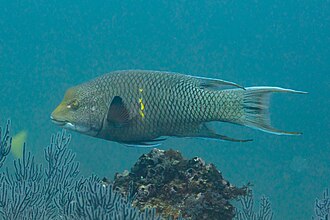
Mexican hogfish
Bodianus diplotaenia
IUCN status: LC · Least Concern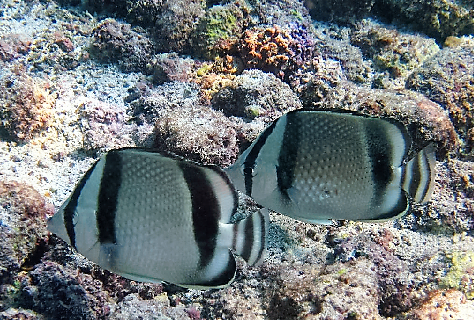
Threebanded butterflyfish
Chaetodon humeralis
IUCN status: LC · Least ConcernGreen turtle
Chelonia mydas
IUCN status: LC · Least ConcernProtected in PeruBalloonfish
Diodon holocanthus
IUCN status: LC · Least Concern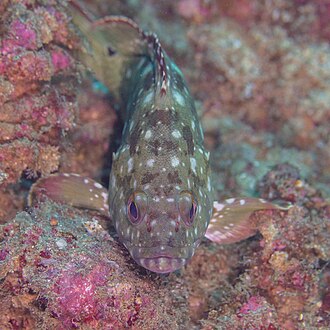
Flag cabrilla
Epinephelus labriformis
IUCN status: LC · Least Concern
Chameleon wrasse
Halichoeres dispilus
IUCN status: LC · Least Concern
Pacific seahorse
Hippocampus ingens
IUCN status: VU · VulnerableProtected in Peru
King angelfish
Holacanthus passer
IUCN status: LC · Least Concern
Barberfish
Johnrandallia nigrirostris
IUCN status: LC · Least Concern
Olive ridely
Lepidochelys olivacea
IUCN status: VU · VulnerableProtected in Peru
Humpback whale
Megaptera novaeangliae
IUCN status: LC · Least Concern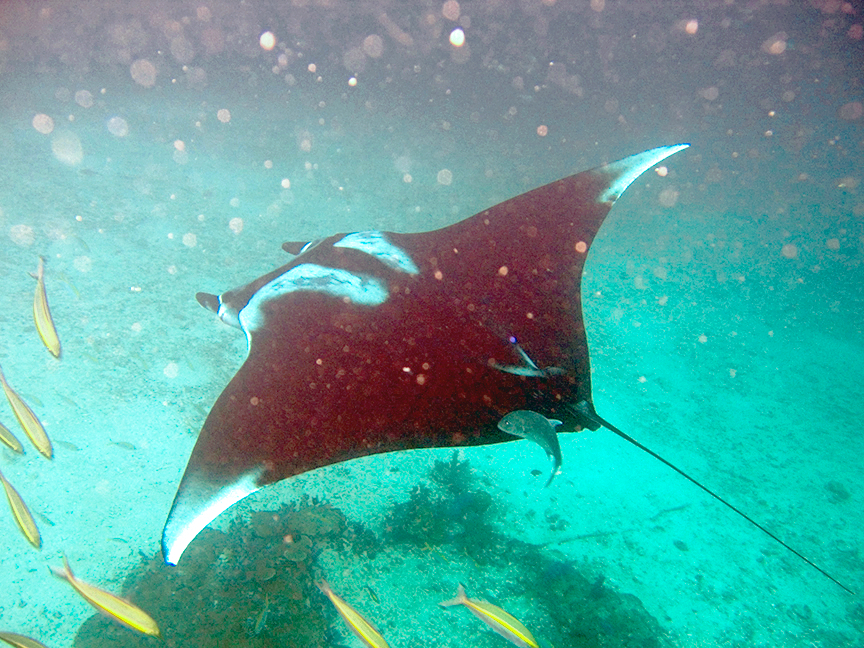
Giant oceanic manta ray
Mobula birostris
IUCN status: Not evaluated
Broomtail grouper
Mycteroperca xenarcha
IUCN status: DD · Data DeficientOctopus mimus
IUCN status: LC · Least ConcernSouth American sea lion
Otaria byronia
IUCN status: LC · Least ConcernProtected in PeruBlue lobster
Panulirus gracilis
IUCN status: DD · Data DeficientProtected in Peru
Peruvian pelican
Pelecanus thagus
IUCN status: NT · Near ThreatenedProtected in Peru
Guanay cormorant
Phalacrocorax bougainvillii
IUCN status: Not evaluatedProtected in Peru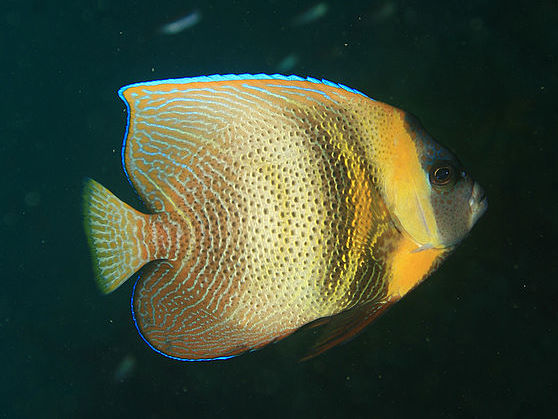
Cortez angelfish
Pomacanthus zonipectus
IUCN status: LC · Least Concern
Razor surgeonfish
Prionurus laticlavius
IUCN status: LC · Least ConcernProtected in Peru
Whale shark
Rhincodon typus
IUCN status: Not evaluated
Stone scorpionfish
Scorpaena mystes
IUCN status: LC · Least Concern
Humboldt penguin
Spheniscus humboldti
IUCN status: VU · VulnerableProtected in Peru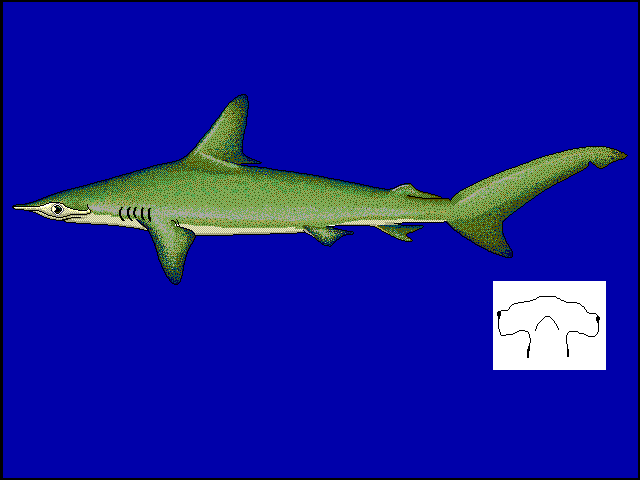
Smooth hammerhead
Sphyrna zygaena
IUCN status: VU · VulnerableBlue-footed booby
Sula nebouxii
IUCN status: LC · Least Concern
Peruvian booby
Sula variegata
IUCN status: LC · Least ConcernProtected in Peru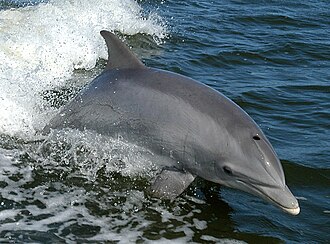
Bottlenose dolphin
Tursiops truncatus
IUCN status: LC · Least Concern
Moorish idol
Zanclus cornutus
IUCN status: LC · Least ConcernFelimare agassizii
IUCN status: Not evaluated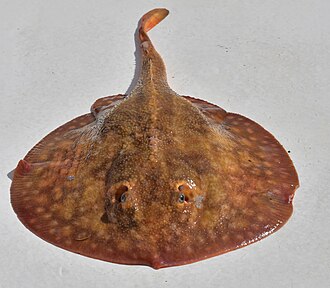
Tumbes Round Stingray
Urobatis tumbesensis
IUCN status: VU · Vulnerable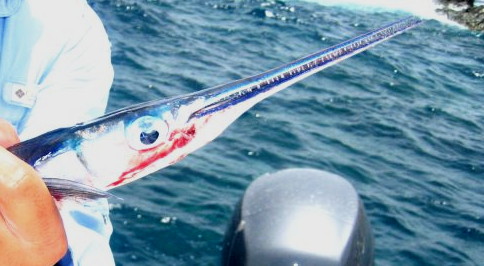
Flat needlefish
Ablennes hians
IUCN status: LC · Least Concern
Spotted sandpiper
Actitis macularius
IUCN status: LC · Least Concern
Bonefish
Albula vulpes
IUCN status: NT · Near ThreatenedAnadara similis
IUCN status: Not evaluated
White-cheeked pintail
Anas bahamensis
IUCN status: LC · Least ConcernBignose anchovy
Anchoa nasus
IUCN status: LC · Least Concern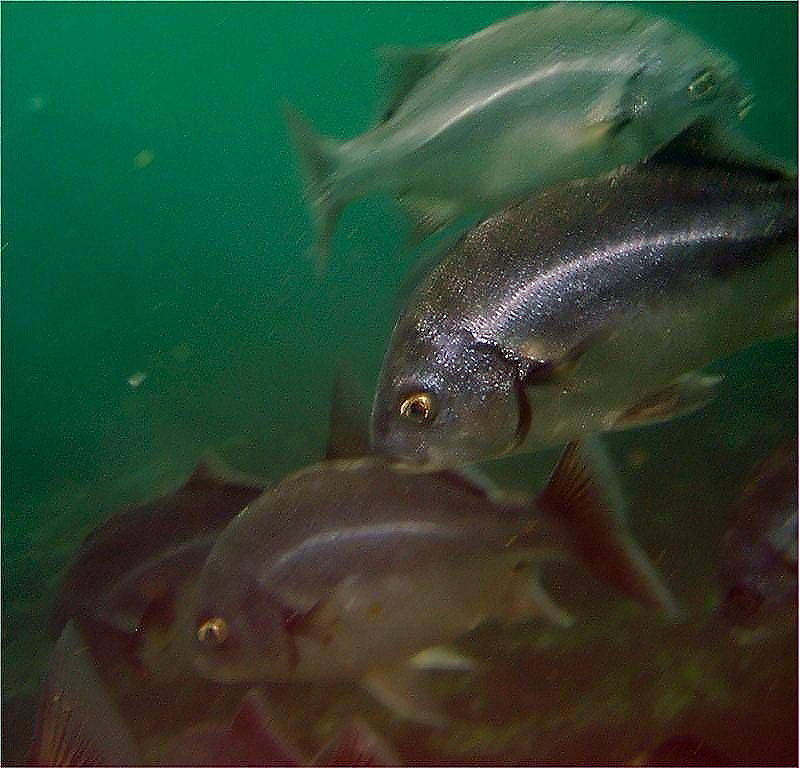
Burrito grunt
Anisotremus interruptus
IUCN status: LC · Least ConcernAlice Argentina
Argentina aliceae
IUCN status: LC · Least Concern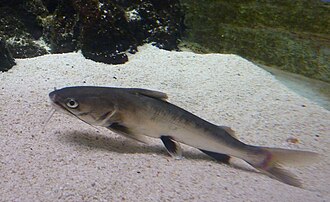
Tete sea catfish
Ariopsis seemanni
IUCN status: LC · Least ConcernSlope conger
Ariosoma prorigerum
IUCN status: LC · Least Concern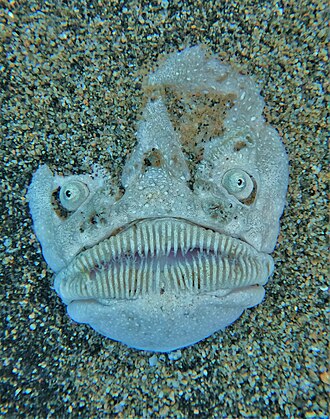
Pacific stargazer
Astroscopus zephyreus
IUCN status: LC · Least ConcernLong-barbeled sea catfish
Bagre pinnimaculatus
IUCN status: LC · Least Concern
Finescale triggerfish
Balistes polylepis
IUCN status: LC · Least ConcernPanamic frillfin
Bathygobius ramosus
IUCN status: LC · Least Concern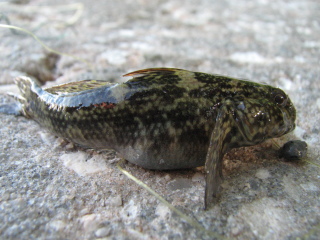
Frillfin goby
Bathygobius soporator
IUCN status: LC · Least ConcernPacific bearded brotula
Brotula clarkae
IUCN status: DD · Data Deficient
Bulla punctulata
IUCN status: Not evaluated
Sanderling
Calidris alba
IUCN status: LC · Least Concern